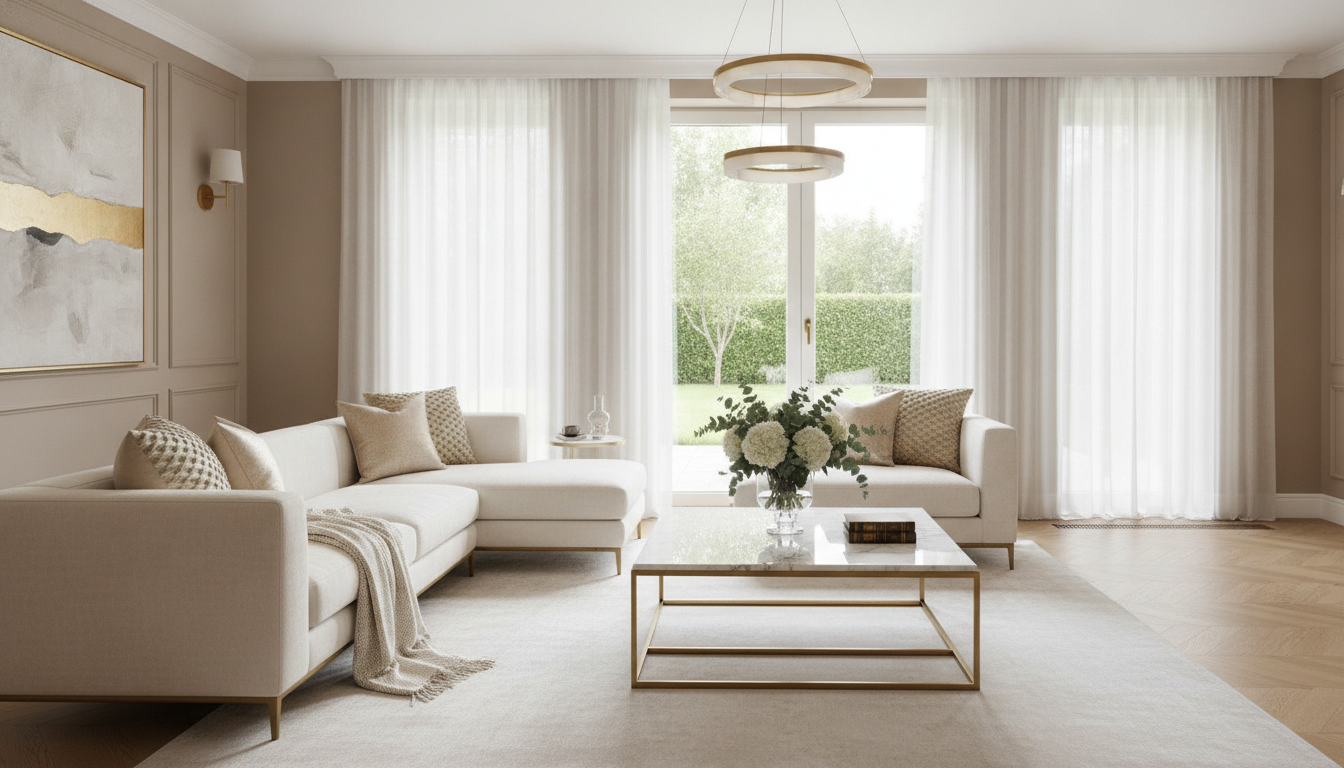

Did you know that the average millennial moves to a new home every two years? This makes choosing big furniture a strategic investment, not just a simple buy.
Finding the right centerpiece for your living room can be tough. You want something that fits your current space and is versatile enough for future homes.
Our sectional sofa buying guide makes this easier. We focus on designs that can change and quality that lasts. This way, your furniture will be a key part of your home for years.
Key Takeaways
- Consider modular designs that adapt to different room layouts.
- Prioritize high-quality frames to withstand frequent moves.
- Measure your doorways and hallways before finalizing your order.
- Select durable fabrics that handle high-traffic daily use.
- Think of your purchase as a long-term investment for your lifestyle.
Understanding the Different Types of Sectional Sofas
Choosing the right sectional sofa starts with the configuration. The shape of your furniture affects the room’s flow and family interaction. Finding the perfect layout makes your living area both functional and welcoming.
L-Shaped Sectionals
The L-shaped design is a top pick for modern homes. It has two sections that meet at a ninety-degree angle. This makes it perfect for tucking into corners to save space. It’s great for both small apartments and large living rooms.
U-Shaped Sectionals
U-shaped sectionals are great for big families or when you have lots of guests. They create a cozy, enclosed environment for talking. But, they can make it hard to reach a coffee table in the middle.
Chaise Sectionals
Chaise sectionals have an extended seat for comfortable leg stretching. They’re ideal for smaller rooms where big sofas might be too much. They offer the feel of a recliner without the mechanical issues.
Modular Sectionals
Modular designs let you mix and match pieces for different looks. This flexibility is key when your home changes. You can easily change the layout or add more pieces as your family grows.
| Type | Best For | Space Efficiency | Table Access |
|---|---|---|---|
| L-Shaped | Corner placement | High | Excellent |
| U-Shaped | Large gatherings | Low | Poor |
| Chaise | Relaxed lounging | Medium | Good |
| Modular | Custom layouts | Variable | Good |
Key Factors to Consider When Buying
Your living room is the heart of your home. Choosing the right sectional sofa is key to your interior design. Furniture shapes how we move and interact in a room. By focusing on your needs, your sofa will be a valuable investment.
Size and Space
Measure your floor area before picking a sofa. Many people push furniture against walls, making rooms feel small. This can make your space feel cramped.
Try moving your sofa 6-12 inches from the wall. This simple change can make your room feel bigger and more open.
“Design is not just what it looks like and feels like. Design is how it works.”
Style and Aesthetics
When choosing a sectional sofa, think about its size. A big, stuffed sofa might overwhelm a small space. But a sleek, low-profile one can fit well in a large room.
Consider your home’s style. A modern home looks better with a sectional that has clean lines. A traditional home might suit a rounded sofa better.
Comfort and Support
A good sofa must be comfortable. Test the seat depth and back height to fit your body. This ensures you can relax easily.
Also, check the sofa’s internal support. High-quality springs or webbing prevent it from sagging. This keeps your sofa comfortable for years.
Materials Used in Sectional Sofas
The best sectional sofa features are often hidden. The outer look may catch our eye, but it’s the inside that matters. Good durability comes from quality build and care, not just fancy fabrics.
Fabric vs. Leather
Deciding between fabric and leather is key. Fabric brings many textures, colors, and patterns to a room. Modern fabrics are also great at resisting stains and spills, perfect for active homes.
Leather, with its classic look, gets better with time. It’s tough and good for those with allergies, but needs special care to avoid damage. Choose based on your home’s needs.
Frame Construction
The frame is crucial for your sofa’s structure. Look for kiln-dried hardwood frames, as they last longer. Avoid particle board or softwoods, as they can’t handle heavy use.
Check the joinery too. Corner-blocked, glued, and stapled joints are strong. A solid frame keeps your sofa firm for years.
Cushion Fill Options
The comfort of your sectional depends on its cushions. High-density foam is a top pick for its support and shape. For a softer feel, down or feather blends are great.
Some sofas mix materials for the best of both worlds. This way, they stay firm but feel plush. Always test the cushions to see how they bounce back, a sign of quality.
Customization Options for Sectional Sofas
Making your sectional sofa your own is key to a perfect fit in your space. Stock models are easy, but custom pieces let you design every detail. You can make them up to 20-30% smaller for tight spots, great for city living.
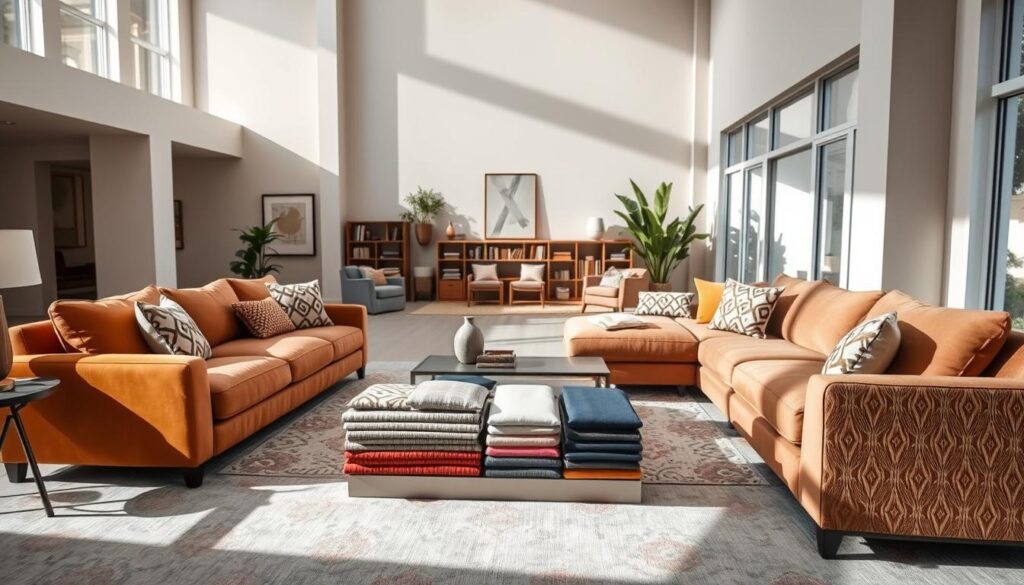
Fabric Choices
Picking the right fabric is crucial. Think about how you use the space before making a choice. Families with pets or kids might want durable fabrics that hide stains well.
For a fancy look, top-grain leather is classic and gets better with age. On the other hand, synthetic weaves are soft and come in many patterns. Always get samples to see how they look in your home’s light.
Configuration Variability
Modularity is key for a sectional sofa that lasts. Custom options let you change the layout as your needs change. You can turn a simple L-shape into a big U-shape if you move to a bigger place.
This flexibility isn’t just about size; it’s about function. You can add storage ottomans or sleeper sections to your design. These features turn a simple sofa into a versatile spot for guests or unwinding.
Color Selection
The color of your sofa sets the mood of your living room. Neutral colors like gray, beige, or navy are versatile. For a bold look, try vibrant colors or textured fabrics.
Lighter colors make rooms feel bigger and brighter. Darker shades create a cozy feel. Test colors against your walls and floors to match your decor.
| Feature | Stock Sofa | Custom Sofa |
|---|---|---|
| Lead Time | Immediate | 4-12 Weeks |
| Fit | Standard | Precision Tailored |
| Cost | Budget-Friendly | Premium Investment |
| Flexibility | Limited | High Customization |
Budgeting for Your Sectional Sofa
Buying a new sectional is a big decision. It’s not something you do on a whim. It’s a key part of your home that should last for years. Looking at different sectional sofa comparison options helps you see how good materials affect its life.
Setting a Realistic Budget
First, figure out how much you can spend. Think about the longevity of the materials. Cheap frames can cause problems like sagging cushions and structural issues soon.
It’s wise to spend a bit more to avoid early replacement. This can save you from the hassle of getting a new sofa too soon.
Make a list of what you need most. If you want durable fabric or a solid hardwood frame, put more money towards those. This way, your money goes to what’s most important for your comfort.
Exploring Price Ranges
Knowing the market helps you find the right price for you. Here’s a guide to help you compare sectional sofas by price:
| Tier | Price Range | Typical Quality |
|---|---|---|
| Entry-Level | $500 – $1,200 | Basic materials, standard foam |
| Mid-Range | $1,300 – $2,500 | Durable fabrics, kiln-dried frames |
| Premium | $2,600+ | Top-grain leather, custom springs |
Higher prices usually mean better quality and longer warranties. While cheaper options might seem appealing, they might not last as long. Always look for value over just the lowest price.
Financing Options and Deals
Many stores offer financing plans to make buying easier. These plans let you pay over time. Just make sure to read the fine print about interest and payments.
Watch for sales, like those during holidays or end-of-season clearances. These times offer great chances to get a high-quality sofa at a lower price. Smart shoppers wait for these deals to get the best value.
Measuring Your Space for a Perfect Fit
Before buying new furniture, make sure it fits your home. Use a sectional sofa size guide to avoid delivery issues. Take your time to measure your space carefully before ordering.
How to Measure Properly
Begin by measuring your living area with a good tape measure. Mark the floor with tape to see how the sectional sofa will fit. This ensures enough room for walking and other furniture.
Remember to measure ceiling height and the distance to windows or radiators. Accurate measurements are key for a good layout. Knowing your limits lets you shop confidently.
Understanding Doorway and Stairway Considerations
Even if a sofa fits in your living room, it must go through your home’s entry points. Measure every doorway, hallway, and staircase. Narrow turns in old homes can be a big challenge.
In apartments, check the elevator or stairwell width. Compare these to the manufacturer’s specs for a smooth delivery.
| Measurement Point | Minimum Width (Inches) | Clearance Needed |
|---|---|---|
| Front Door | 32 – 36 | High |
| Hallway Turns | 36 – 40 | Critical |
| Stairwell Width | 30 – 34 | Moderate |
| Elevator Door | 36 – 42 | High |
By following this sectional sofa size guide, you avoid the mistake of buying too big furniture. These steps ensure your new furniture fits perfectly.
Maintenance Tips for Your Sectional Sofa
Keeping your sectional sofa looking great is key. You might have used a sectional sofa size guide to pick the right size. But, to keep it looking new, you need to take care of it regularly. A simple care routine can protect your sofa and keep your living space comfy.
Cleaning Different Materials
Each material needs its own cleaning method to avoid damage. For leather, use a soft, dry cloth for dusting. Also, apply leather conditioner every few months to stop it from cracking. Always check the manufacturer’s tag before using any liquid cleaners.
For fabric, vacuuming is the best way to fight dirt. If your home is busy, choose fabrics with tighter weaves for less wear and snagging. For spills, dab the area with a clean cloth to avoid rubbing and pushing stains deeper.
Protecting Against Wear and Tear
Keeping your sofa’s structure strong is as important as keeping it clean. Rotate your cushions often to avoid uneven wear. This habit stops permanent dents and keeps the foam even.
Where you place your sofa matters too. Keep it away from direct sunlight to prevent fading and drying out. If you’re planning, remember this sectional sofa size guide to ensure easy movement around the piece.
Using throws or decorative pillows can also help. They protect high-use areas from oils and dirt. These small touches act as a protective barrier and let you update your room’s look anytime. With regular care, your sectional will stay comfy and beautiful for years.
Where to Buy Sectional Sofas
Finding the right place to buy your new furniture is a big step. You might like browsing online or want to see and feel the furniture in person. These sectional sofa shopping tips will guide you to make the best choice.

Online Retailers
Online shopping is super convenient and lets you see lots of styles. You can compare prices, read reviews, and filter by size all from home.
But, you can’t test the comfort of the sofa online. Make sure to check the return policy. Returning big furniture can be expensive and hard.
Local Furniture Stores
Going to a local store lets you try out the sofa and feel the fabric. This is the best way to know if it’s comfy.
Local stores are great for older homes with narrow stairs or tight entryways. They have experts and teams that can handle tricky deliveries that big companies can’t.
Considerations for Second-Hand Purchases
Buying used furniture can save you money and find unique items. Always check the frame and cushions for damage.
Look for furniture from homes without smoke or pets for cleanliness. Make sure it fits your space, as sales are usually final.
Popular Brands and Their Offerings
We’ve looked at the current market to guide you in choosing the best furniture brands. Reading sectional sofa reviews can give you real insights. This helps you pick the right piece for your home.
IKEA Sectionals
IKEA is known for versatility and being affordable. Their designs can be changed to fit any room. Plus, you can easily swap out covers for upkeep.
Ashley Furniture
Ashley Furniture leads with 23.4% of the US market by 2024. They offer a wide range of styles, from classic to modern. This makes them a top choice for many.
West Elm Sectionals
West Elm is perfect for those who love modern looks and quality. They use premium materials for a high-end feel. Comparing brands helps you decide between style and practicality.
“The best furniture brand for your home is one that balances your aesthetic preferences with the practical demands of your daily lifestyle.”
When picking a top sectional sofa brand, look beyond price. Consider the materials, cushion quality, and customer service. This ensures you get the best value.
| Brand | Primary Strength | Price Point | Best For |
|---|---|---|---|
| IKEA | Modularity | Budget | Small Apartments |
| Ashley Furniture | Availability | Mid-Range | Family Living |
| West Elm | Design | Premium | Modern Homes |
Trends in Sectional Sofa Designs
Modern design magazines often show big, deep-seated sectionals. But think about how these pieces work in real homes. It’s easy to love the look of big furniture, but focus on what makes your life better.
If you’re unsure about fitting furniture into your space, our professional design services can help.
Color and Material Trends
Today, design trends lean towards earthy, neutral tones for a calm living room. We see a move to fabrics that look like luxury but are also stain-resistant. These are great for families who want to keep their sofas clean.
Texture is key, with bouclé and velvet being favorites. These add depth and make a room feel more sophisticated. Picking the right material is crucial for lasting happiness.
Innovative Features and Functionality
Furniture design is evolving, focusing on more than looks. Brands are adding hidden storage and adjustable headrests for practicality. But, be careful of very big sectionals that can block rooms.
Choose furniture that fits your lifestyle. Look for pieces that can change with your needs, like modular sofas. The table below shows how traditional designs compare to modern, functional ones.
| Feature Category | Traditional Design | Modern Functional Design |
|---|---|---|
| Seating Depth | Standard (Comfort-focused) | Oversized (Aesthetic-focused) |
| Configuration | Fixed L-Shape | Modular/Flexible |
| Material Focus | Durability | Texture and Performance |
| Tech Integration | None | USB Ports/Storage |
Final Thoughts and Recommendations
Choosing the right furniture is about matching your daily habits with your home’s layout. A sectional should meet your lifestyle needs first, then your design dreams. This sectional sofa buying guide aims to help you make a smart choice.
Prioritizing Long-Term Value
Look for furniture that lasts, like Flexsteel for active families or Ashley Furniture for stylish updates. Our latest sectional sofa reviews offer insights for finding the perfect fit for your home.
Tools for Your Next Step
Measure your doorways and floor space before buying. Customization programs can help with fit issues in older homes. Use these tips to make your room welcoming and functional for all.