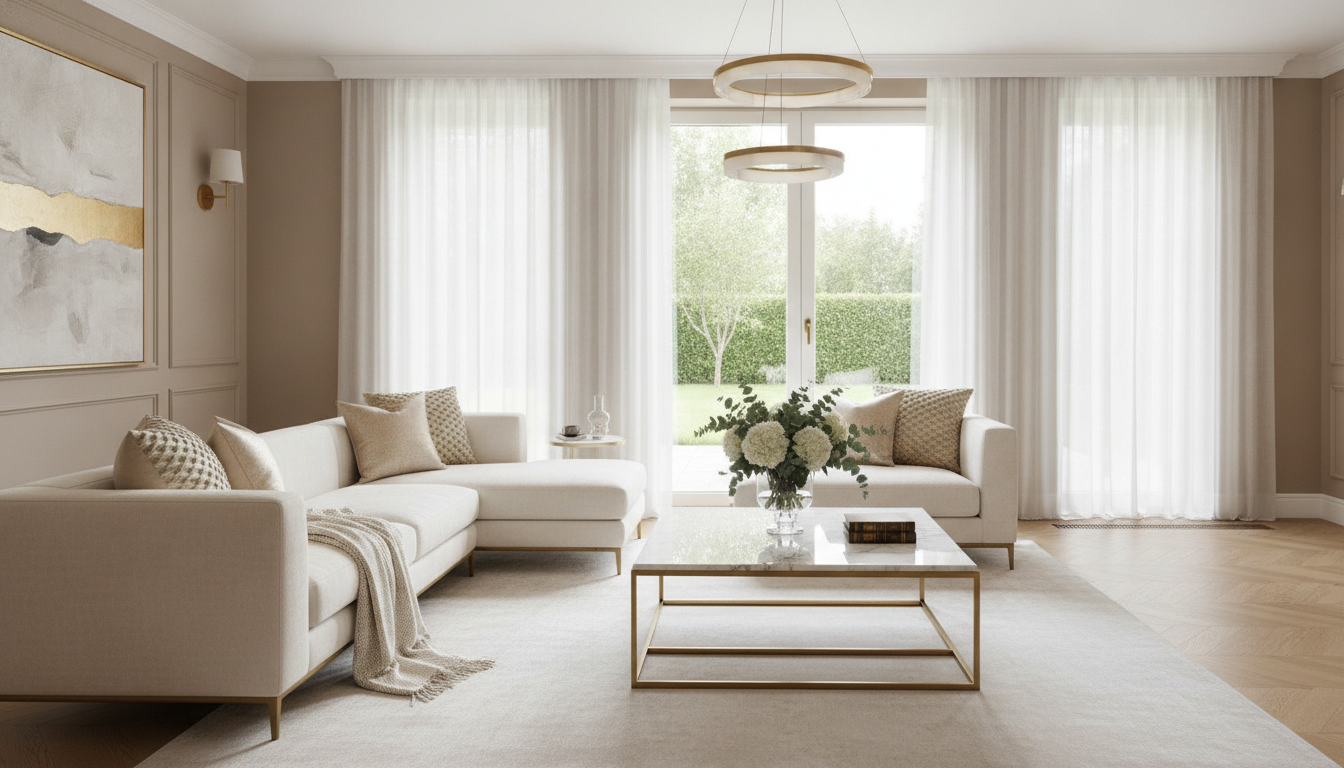
Did you know nearly 70% of homebuyers look for natural surfaces when buying a home? This shows why hardwood floors are the top choice for homes. Finding the perfect flooring for your home is a big decision. It must look good and be practical for everyday use.
Many homeowners choose engineered wood flooring for its classic look without the upkeep of old planks. This material gives you the feel of engineered hardwood but is more stable against moisture. We think picking the right flooring can make your home both strong and lovely.
Key Takeaways
- Natural surfaces significantly increase residential property value.
- Modern materials offer better stability than traditional solid options.
- Aesthetics and durability are the primary factors for selection.
- Climate resistance is essential for long-term performance.
- Choosing the right finish protects your investment for years.
Understanding Engineered Wood Flooring
Choosing the right foundation for your home starts with understanding engineered wood flooring. It’s made to be both beautiful and strong in many places.
Knowing how your floors are made helps you invest wisely in your property.
What Is Engineered Wood Flooring?
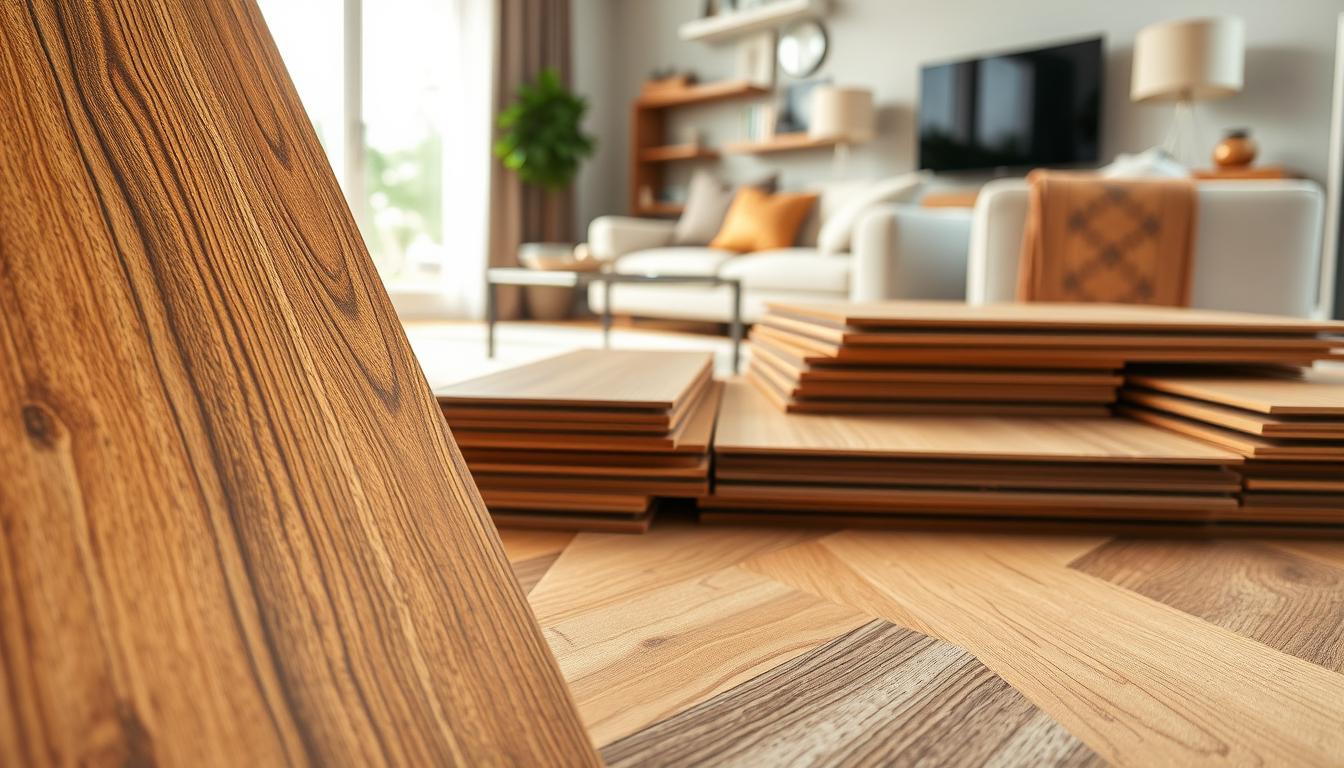
This product has a top layer of real wood bonded to plywood or fiberboard layers. These layers are stacked in a cross-grain arrangement.
This design makes the board less likely to expand or contract. It’s a smart way to make floors stable.
How It Differs from Solid Hardwood
Solid wood flooring comes from one piece of timber. It’s very sensitive to humidity and temperature changes. This can cause gaps and warping.
Engineered hardwood is made to handle these changes better. Its layered core makes it great for places with more moisture.
Many people like hardwood floors for their natural look. They work well in many rooms without the problems of solid planks.
Benefits of Engineered Wood Flooring
The main benefit of engineered wood flooring is its flexibility. You can put it in almost any room, even where solid wood won’t work.
It’s also more affordable and easier to install. Many have click-lock systems for quick, clean setup.
These floors are durable and sustainable for modern homes. They combine the beauty of hardwood floors with modern tech for lasting style and function.
Factors to Consider Before Buying
Starting a flooring project means knowing your home life well. Think about how your family lives every day. This helps pick floors that last long.
Your Lifestyle and Foot Traffic
How busy your home is affects your flooring choice. Busy homes with kids or pets need floors that don’t scratch easily.
Engineered wood flooring is great for active homes. It’s built to handle heavy furniture and lots of people walking on it. Choosing the right wear layer is key to keeping floors looking good for years.
Climate Considerations
Humidity in your area affects your flooring. Solid wood flooring looks great but can warp or gap with moisture and temperature changes.
Engineered hardwood is better for homes with changing humidity. It’s safer for areas with big seasonal changes or basements and kitchens. Always check your home’s humidity before picking your floors.
Budget Guidelines
Having a budget helps you choose without losing quality. Hardwood floors are a big investment. Remember to include both material and installation costs.
Think of your floors as a long-term investment. Engineered hardwood offers a good mix of cost and durability. This way, you avoid expensive repairs or early replacements, keeping your floors beautiful for years.
Styles and Finishes Available
Exploring flooring options shows the beauty of modern wood products. Choosing the right engineered wood flooring is about mixing personal taste with material characteristics. We aim to guide you in picking floors that will look great for years.
Popular Wood Species
The look of your floor starts with the wood species. Many love engineered oak flooring for its classic look and durability. It’s a top pick for those wanting a traditional hardwood floors feel without solid timber’s issues.
Maple offers a smooth, uniform look, while hickory gives a dramatic contrast. Exotic species add unique colors and grain patterns to any room.
| Wood Species | Hardness Level | Grain Pattern |
|---|---|---|
| Oak | High | Prominent |
| Maple | Medium | Subtle |
| Hickory | Very High | Varied |
Different Textures and Finishes
Texture is key for engineered hardwood in busy areas. Wire-brushing removes soft fibers, creating a textured surface. This adds a sophisticated, rustic character while keeping a modern look.
Sheen level is also important. Matte finishes are trendy for their natural look. High-gloss finishes are reflective but show dust and footprints more.
Color Options to Fit Your Decor
Choosing the right color is crucial for your interior design. Light-toned engineered wood planks make rooms feel bigger. Dark stains add warmth and luxury. Gray and greige tones are popular for a modern, neutral look.
Bring samples home to see how they look in your space. Natural light changes wood’s appearance. Testing your favorites in your space is a crucial step in choosing.
Installation Methods Explained
Getting a professional look with your new engineered wood flooring depends on the installation method. Choosing the right method keeps your investment looking great for years.
https://www.youtube.com/watch?v=IpXafqHswko
DIY vs. Professional Installation
Many homeowners like tackling a weekend project. But, hardwood floors need precision. If you’re good at home repairs, DIY can save you money.
On the other hand, pros have the tools and experience. They handle tricky layouts and unexpected subfloor problems that might stump you.
Click-Lock vs. Glue-Down Installation
Modern engineered hardwood often uses a click-lock system. This is for a floating floor installation. It’s easy to use and doesn’t need nails or glue, making it great for DIYers.
The glue-down method bonds the engineered wood planks to the subfloor. It gives a solid, quiet feel and is best for big areas or places with lots of foot traffic.
Tips for Preparing Your Subfloor
The success of your wood floor installation starts with a good subfloor. It must be clean, dry, and perfectly level before you begin.
- Check for moisture levels using a reliable meter to prevent future warping.
- Remove any debris or old adhesive residue that could create uneven spots.
- Use a high-quality underlayment to provide a moisture barrier and sound insulation.
Spending time on subfloor prep stops squeaks and gaps. Consistency is key when laying your new floor. Always follow the manufacturer’s guidelines for your product.
Maintenance Needs for Longevity
We believe that proper care is the secret to ensuring your engineered hardwood lasts for decades. These floors are made to last, but they still need regular care. By following a few simple habits, you can keep your floors looking great for years.
Cleaning and Care Tips
Keeping your engineered wood flooring clean is key. Use a soft-bristled broom or a vacuum with a hard-floor setting to remove grit and dust. These particles can dull your floors over time.
Be careful with water and harsh chemicals, as they can harm wood. Use a wood floor cleaner approved by the manufacturer with a damp microfiber mop. Always clean spills right away to avoid damage.
Dealing with Scratches and Dents
Even in busy homes, minor damage can happen. For light scratches, use a touch-up marker or wax filler stick that matches your floor’s color. These tools can hide imperfections well.
For deeper dents, try a wood filler made for your floor’s finish. For bigger damage, you might need to replace planks. Place felt pads under furniture legs to prevent scratches and keep your floors looking smooth.
Refinishing Options for Engineered Wood
Many wonder if they can restore their floors after years of use. The ability to refinish depends on the wear layer’s thickness. Thicker layers can be sanded and refinished, while thinner ones may only support a light screening.
Before refinishing, check the manufacturer’s guidelines for your wear layer. If your floors have a thick, high-quality veneer, you can refinish them many times. This makes them a great choice for long-term home value.
| Maintenance Task | Frequency | Best Practice |
|---|---|---|
| Sweeping/Vacuuming | Daily or Weekly | Use soft-bristle attachments |
| Deep Cleaning | Monthly | Use pH-neutral wood cleaner |
| Furniture Protection | Immediate | Apply felt pads to all legs |
| Refinishing | Every 7-10 Years | Check wear layer thickness first |
Environmental Impact and Sustainability
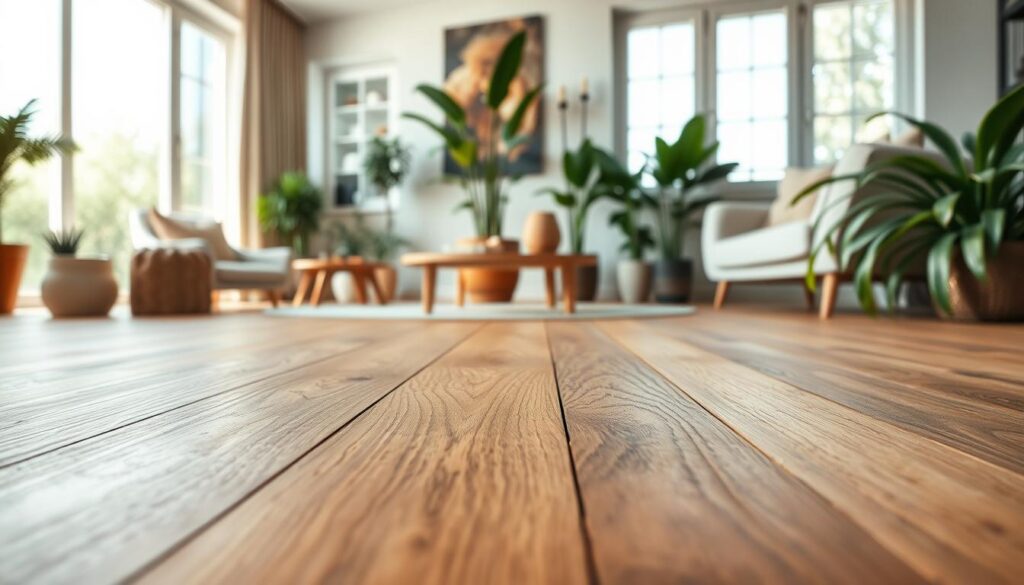
We think beautiful floors shouldn’t harm our planet. As people focus on green homes, demand for eco-friendly materials grows. You can enjoy natural wood’s warmth and support responsible environmental stewardship by choosing the right products.
Eco-Friendly Options in Engineered Wood
Engineered wood flooring is great for the environment. It uses a thin wood layer over a stable core. This method saves trees and is efficient for your home.
Many makers use fast-growing trees or recycled wood for the core. This helps slow-growing hardwood floors and keeps your home looking good. You can find floors with low-VOC adhesives for better air quality.
Certifications to Look For
When buying engineered hardwood, check the manufacturer’s environmental claims. Look for third-party certifications that show the product is safe and sustainable. These labels mean your floors are free from harmful chemicals.
| Certification | Focus Area | Benefit to Homeowner |
|---|---|---|
| FSC | Forest Management | Ensures ethical wood sourcing |
| FloorScore | Air Quality | Low chemical emissions |
| GREENGUARD | Chemical Safety | Healthier indoor environment |
Importance of Responsible Sourcing
Responsible sourcing is key for a sustainable home. Ask retailers about their wood’s origin. Supporting companies with transparent supply chains helps protect forests for the future.
“Sustainability is not just about the materials we use, but the legacy we leave behind in the spaces we create.”
Choosing engineered wood flooring from well-managed forests shows your values. By picking engineered hardwood, you help the planet while keeping your home beautiful with hardwood floors.
Comparing Brands and Products
Finding the right hardwood floor can be tough without a clear plan. Look beyond what companies say to see how well their floors are made. Focus on the technical details to get floors that look great and last long.
Reputable Brands to Consider
When looking for the best engineered wood flooring, start with well-known brands. Companies like Shaw, Mohawk, and Bruce are known for quality. They give clear info on the floor’s wear layer and core material.
Check if the wood comes from sustainable forests. Good brands are open about where they get their wood. Look for a wide range of species and finishes to find the perfect fit for your home.
Reading Product Reviews
Customer feedback is key when choosing. Look for reviews that talk about how the floor holds up over time. Focus on:
- How easy it is to install and align the boards.
- How well it stands up to daily wear and tear.
- If the color looks the same as in the pictures.
While everyone’s experience is different, common themes can give you a good idea. Reading both good and bad reviews helps set the right expectations for your new hardwood floors.
Evaluating Warranty Offers
A good warranty shows a manufacturer’s confidence in their engineered wood flooring. Read the warranty carefully to know what’s covered. Look for a warranty that protects against delamination and defects.
| Brand Tier | Warranty Coverage | Core Quality | Finish Durability |
|---|---|---|---|
| Premium | Lifetime Limited | Multi-ply Birch | Aluminum Oxide |
| Mid-Range | 25-Year Residential | High-Density Fiber | Urethane |
| Entry-Level | 10-Year Residential | Plywood | Standard Acrylic |
Make sure the warranty covers your installation method. Taking the time to compare these details helps you choose engineered hardwood that will give you peace of mind for years.
Price Ranges and What to Expect
Finding the right flooring can be tough. First, set a budget. Knowing the market prices helps keep your project affordable and stylish.
Typical Costs for Engineered Wood Flooring
The engineered flooring cost usually ranges from $5 to $15 per square foot. Basic options start at $4, while high-end, wide-plank floors can cost over $20 per square foot. Adding professional installation will increase your total cost by $3 to $10 per square foot.
Factors Influencing Price Variations
Several factors affect the price of your engineered wood flooring. The thickness of the top layer is key, as it allows for more refinishing. The type of wood also matters, with exotic woods costing more than domestic oak.
The core of the flooring is another important factor. Cheaper cores like high-density fiberboard are less expensive. But, multi-ply birch or plywood cores are more stable and cost more. The finish also affects the price, with hand-scraped or wire-brushed textures being more labor-intensive.
Where to Find the Best Deals
Looking for the best deal on engineered hardwood requires some planning. Keep an eye out for seasonal sales and discounts during holidays. Buying in bulk can also save you money if you’re redoing multiple rooms.
Local flooring stores and manufacturer closeouts often have great deals on engineered hardwood. Always compare prices from different suppliers to get the best deal. With some research, you can find beautiful floors that fit your budget.
Common Misconceptions About Engineered Wood
Many people still believe outdated myths about engineered hardwood. They think these floors are just temporary fixes. But the truth is, they offer lasting beauty and durability for any room.
Debunking Myths About Durability
Some worry that engineered wood flooring isn’t as strong as solid wood flooring. But the cross-layered design of engineered planks actually makes them more stable. This design helps prevent warping and cupping.
Thanks to this advanced construction, these floors can handle changes in humidity better. You get the look of hardwood floors without the risks of older, single-layer methods.
Understanding Water Resistance
Engineered wood is very stable, but it’s not fully waterproof. Many think it’s okay to use it in wet areas like bathrooms or laundry rooms.
But it’s actually more resistant to moisture than solid wood flooring. The core layers can handle humidity changes that damage traditional floors. Just clean up spills quickly to keep your floors looking great for years.
Maintenance Myths Explained
Some worry that engineered wood flooring is hard to maintain or can’t be refinished. But modern technology has changed this. Most high-quality products have thick wear layers that can be sanded and refinished like traditional hardwood floors.
Keeping your engineered hardwood clean is easy. You don’t need special chemicals. Just sweep regularly and occasionally mop with a damp cloth to keep it looking new.
| Feature | Solid Wood | Engineered Wood |
|---|---|---|
| Stability | Low | High |
| Moisture Resistance | Poor | Moderate |
| Refinishing | Multiple times | Depends on wear layer |
| Installation | Nail/Staple only | Nail, Glue, or Float |
Final Tips for Making Your Decision
Choosing the right floor for your home is about finding a balance. You need to think about how long it will last and what your home needs. Consider how stable your subfloor is and what look you want for each room.
Seeking Professional Guidance
For tricky projects, getting help from a pro is wise. If you’re dealing with moisture or uneven floors, a contractor can help. They make sure your engineered wood flooring will last. They also check if your choice fits your home’s climate.
Synthesizing Your Choices
Solid hardwood floors are classic and can last for decades with the right care. On the other hand, engineered hardwood is better for humid places like basements or kitchens. Knowing these differences helps you choose what’s best for your home.
Executing Your Plan
Starting your home makeover needs a clear plan and good materials. Whether you pick solid planks or engineered wood, careful planning is key. Take time to look at warranties and details to make sure your choice will be something to be proud of for years.