

Planning a home renovation in the United States can seem overwhelming. Homeowners want to know the costs before starting. Understanding the kitchen remodeling cost is key, as it depends on labor and materials.
A standard 10×10 kitchen remodel costs between $10,000 and $25,000. But, costs can change based on your design and local prices. We aim to guide you through these financial aspects.
Knowing the average kitchen remodel cost is crucial for a smooth project. Early planning helps keep your project on track and within budget.
Key Takeaways
- Most 10×10 projects range from $10,000 to $25,000.
- Material selection significantly impacts your total investment.
- Labor rates vary depending on your specific geographic location.
- Early financial planning prevents unexpected stress during construction.
- Setting a realistic budget is the foundation of a successful renovation.
Understanding Kitchen Remodeling Costs
Renovating your kitchen can be a big decision. The first step is figuring out the cost of kitchen renovations. Projects can range from simple updates to major changes that affect plumbing and electrical lines. Knowing where your project fits in the market is key to planning.
Importance of Budgeting for Your Kitchen Renovation
Creating a realistic budget is crucial to avoid financial stress. Without a clear plan, unexpected costs can ruin your project. It’s wise to research kitchen renovation costs in your area to match your expectations.
A detailed budget is your project’s guide. It helps you focus on what’s important and stay within your means. Planning for every detail early on prevents budget surprises during the project.
Factors Influencing Kitchen Remodeling Costs
Many things affect the average kitchen remodel cost. Local labor rates are a big factor, as costs vary by location. Your design choices also impact the total cost.
The age of your home is another factor. Older homes might need more work to meet modern building codes. Knowing these needs helps ensure a successful renovation.
Average Cost Breakdown by Kitchen Size
The size and layout of your kitchen greatly affect the cost of a remodel. The bigger the kitchen, the more materials and labor you’ll need. Knowing this helps you plan your budget better.
Small Kitchen Renovations
Small kitchens need smart planning to make the most of space. You might save on materials but need customized storage solutions to stay organized.
Remember, labor costs stay the same, even if the kitchen is smaller. You can still get a high-end look without breaking the bank by planning carefully.
Medium-Sized Kitchen Makeovers
Medium kitchens offer a good balance between size and design options. The cost of kitchen renovations here is usually moderate, with standard appliances and cabinets. Homeowners often choose durable, yet affordable finishes.
These projects often involve updating the layout to be more open. With more space, you can be creative with your design. Strategic material selection helps keep costs in check.
Large Kitchen Overhauls
Large kitchen overhauls are the biggest investment in time and money. They often require structural changes and use of premium materials. This increases the kitchen remodeling cost significantly.
Large renovations are like rebuilding your home’s heart. It’s wise to have a contingency fund for unexpected expenses. The table below shows how size affects your budget.
| Kitchen Size | Scope of Work | Estimated Price Range |
|---|---|---|
| Small (Under 70 sq. ft.) | Cosmetic updates & storage | $10,000 – $20,000 |
| Medium (70 – 150 sq. ft.) | Full cabinet & appliance swap | $20,000 – $45,000 |
| Large (Over 150 sq. ft.) | Structural & custom finishes | $45,000 – $80,000+ |
Key Components of Kitchen Remodeling Costs
To get a good estimate kitchen remodel cost, we need to look at three main things: cabinets, countertops, and appliances. These are the biggest parts of your budget and shape your kitchen’s look. Knowing how these choices affect your kitchen makeover expenses helps you make smart choices that fit your budget.
Cabinets: Quality and Style Choices
Cabinets usually take up the biggest part of your budget. You can pick from stock, semi-custom, or custom cabinets. Stock is the cheapest, while custom gives you unique storage at a higher price.
For expert advice on how these choices affect your layout, consider expert design services. Choosing high-quality materials and hardware means your kitchen will last longer. It’s a smart long-term investment.
Countertops: Materials and Pricing
Countertops are both a work area and a design focus. Prices vary a lot, from affordable laminate to expensive natural stone like granite or quartz.
“The secret to a successful renovation is balancing high-impact materials with cost-effective alternatives to keep your project on track.”
When you calculate your total kitchen remodel cost, remember that installing heavy stone can add to the cost. It’s wise to compare each material’s durability and upkeep before choosing.
| Material Type | Cost Level | Durability |
|---|---|---|
| Laminate | Low | Moderate |
| Engineered Quartz | High | Excellent |
| Natural Granite | High | High |
| Solid Surface | Medium | Good |
Appliances: Budgeting for Upgrades
Modern appliances can change your cooking, but they’re a big part of your kitchen makeover expenses. Decide if you want matching or mixed brands early on.
Remember to include delivery and installation costs when estimating kitchen remodel cost. Energy-efficient models might cost more at first but save money later. Knowing what you need helps you stay on budget and get the kitchen you want.
Labor Costs in Kitchen Remodeling
Labor costs are often the biggest part of your kitchen makeover expenses. It’s easy to get caught up in the cost of cabinets or countertops. But, the people working on your kitchen are key to its success and safety.

Hiring Professional Contractors vs. DIY
Choosing between a pro contractor and DIY depends on your skills and the job’s complexity. Simple tasks like painting or installing hardware might be doable for you. But, specialized tasks like electrical work or plumbing need experts to ensure they meet codes.
“Quality craftsmanship is the foundation of a durable kitchen; cutting corners on professional labor often leads to higher costs in the long run.”
Working with a licensed contractor means you get peace of mind. They have insurance and warranties. But, doing it yourself means you’ll spend a lot of time and risk making costly mistakes.
Factors Affecting Labor Fees
Several things can change the labor cost you get. Local demand for skilled workers can raise prices, and busy seasons can make things more expensive. Also, complex designs, like moving gas lines or custom cabinets, take more time and money.
| Project Aspect | DIY Approach | Professional Contractor |
|---|---|---|
| Safety Compliance | High Risk | Guaranteed |
| Time Investment | Very High | Efficient |
| Overall Cost | Lower Upfront | Higher Investment |
| Work Quality | Variable | Professional Standard |
To manage your budget, know when you need professional help. Focus on experts for key systems to protect your investment. This way, your kitchen will stay functional for many years.
Additional Costs to Consider
When you’re planning your kitchen makeover expenses, remember the surprises that come after tearing down walls. Many people focus on looks, but the real cost of a home’s structure can surprise you. Being ready for these surprises helps keep your project smooth and stress-free.
Permits and Inspection Fees
Most places need building permits for big home changes. These fees pay for the work and checks to make sure your renovation is safe. Costs can vary a lot, from a few hundred to over a thousand dollars.
Not getting these permits can lead to costly fines or problems when you sell your home. Always check with your local building department early. This way, you can include these costs in your cost of kitchen renovations budget.
Unexpected Repairs and Upgrades
Older homes often have hidden problems like old wiring or bad plumbing. When you start tearing things down, you might find mold, water damage, or structural issues. These problems are common and need to be fixed for your kitchen’s safety and long life.
It’s smart to save 10% to 20% of your budget for unexpected costs. This money helps you deal with kitchen makeover expenses without stopping your project. Being prepared can turn big problems into small ones.
| Hidden Cost Category | Typical Price Range | Impact Level |
|---|---|---|
| Building Permits | $200 – $1,500 | Mandatory |
| Electrical Upgrades | $500 – $2,500 | High |
| Plumbing Repairs | $300 – $2,000 | High |
| Mold Remediation | $1,000 – $3,500 | Critical |
Cost-Saving Tips for Kitchen Remodeling
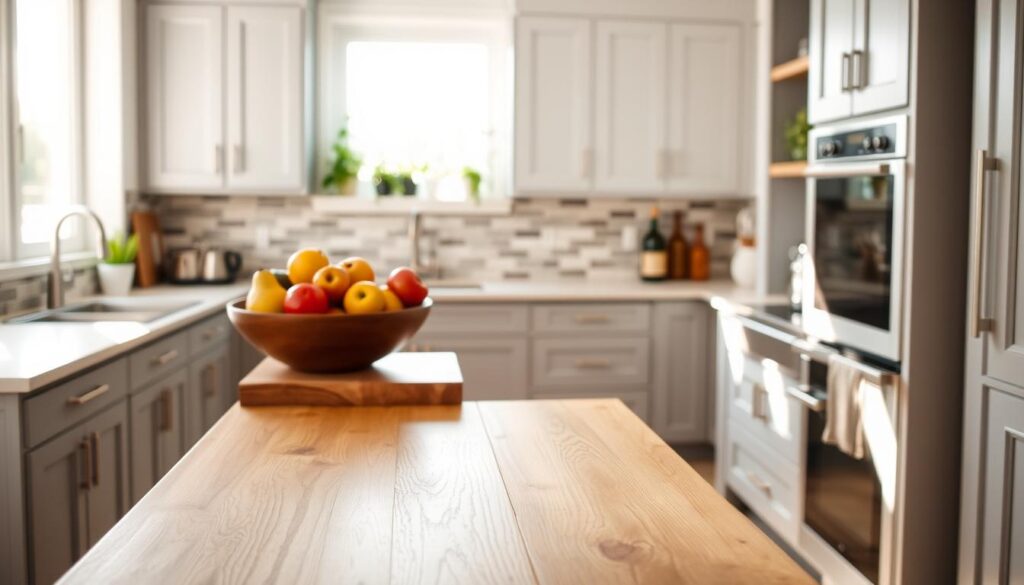
Creating a dream kitchen doesn’t have to break the bank. Focus on big changes that make a big impact. This way, you can make your kitchen look new without spending too much. A smart budget kitchen remodel focuses on updates that give you the most bang for your buck.
Upcycling and Repurposing Options
One great way to save money is to reuse what you already have. Instead of replacing cabinets, try refacing or painting them. This simple trick can give your kitchen a whole new look without the high cost of new cabinets.
Changing out old hardware for new pulls and knobs is another smart move. It’s a small change that makes a big difference. You can also repurpose old islands or shelves to add charm without the high cost of new ones.
Choosing Budget-Friendly Materials
Choosing the right materials is key for affordable kitchen remodeling. Instead of expensive natural stone, consider laminate or butcher block. These options are affordable, durable, and come in many styles.
Also, think about using preassembled or stock cabinets. They save time and money compared to custom ones. By making strategic choices, you can get a beautiful, functional kitchen that fits your budget.
Financing Your Kitchen Remodel
Finding the right money for your kitchen makeover is key. Many dream of a budget kitchen remodel, but costs can be high. Look into different loans to keep your money safe while getting the look you want.
Home Equity Loans vs. Personal Loans
Homeowners often pick between home equity loans and personal loans for renovations. Home equity loans use your home as collateral, leading to lower interest rates. But, you need a lot of equity in your home.
Personal loans, on the other hand, don’t require collateral. They’re quicker to get, but have higher interest rates. Your financial situation and future plans for affordable kitchen remodeling will guide your choice.
Credit Options for Home Improvements
For small costs, consider credit cards or lines of credit. Some use 0% APR credit cards for materials, but must pay off the balance before the offer ends. This method needs careful planning to avoid high interest.
The table below shows the main differences between financing options. It helps you choose the best one for your project.
| Financing Type | Interest Rate | Collateral Required | Approval Speed |
|---|---|---|---|
| Home Equity Loan | Low | Yes | Slow |
| Personal Loan | Moderate | No | Fast |
| Credit Card | High | No | Instant |
The best option for you depends on your budget and borrowing costs. Check your credit score and talk to a financial advisor before making a decision. This way, your renovation will be a positive experience, not a financial strain.
Trends Impacting Kitchen Remodeling Costs
Market changes and new tastes are changing home improvement costs. Global economic factors affect raw material prices, which changes your project cost. It’s key to know these changes for affordable kitchen remodeling today.
Popular Design Trends and Their Costs
In 2026, people want simple designs and high-quality wood. But, tariffs on imported goods have raised prices. Now, some top styles cost more than before.
“Design is not just what it looks like and feels like. Design is how it works.”
It’s wise to talk to your contractor about using local materials. This can help skip the extra costs of shipping and tariffs. Choosing local materials is a smart way to save money.
Eco-Friendly Improvements and Budgeting
More people want green home features, like energy-saving appliances and recycled countertops. These choices are good for the planet but cost more. Think about the long-term savings they offer.
Green tech can also boost your home’s value. For affordable kitchen remodeling, pick eco-friendly upgrades that save money. This way, your kitchen stays beautiful and useful for years.
Conclusion: Planning Your Kitchen Renovation Budget
Renovating your kitchen needs a clear plan and smart money habits. Start by figuring out the cost before choosing materials or hiring workers.
Think of your renovation as an investment in your home. Set aside extra money for surprises. This keeps you calm during the project. Choose durable, stylish fixtures that last.
Being open to design changes can save money without losing style. Look for brands like Kohler or Bosch for good deals. A solid budget lets you make choices that fit your life.
Begin planning now to achieve your kitchen dreams. A well-planned renovation brings joy and increases your home’s value. With careful planning and smart spending, your dream kitchen is closer than you think.